Compliance, explained by people who do it every day.
Plain-language guides, checklists, and deep-dives on SDS authoring, REACH, CLP, and GHS written by the Chemply regulatory team for the small chemical, cosmetic, and cleaning brands we work with.
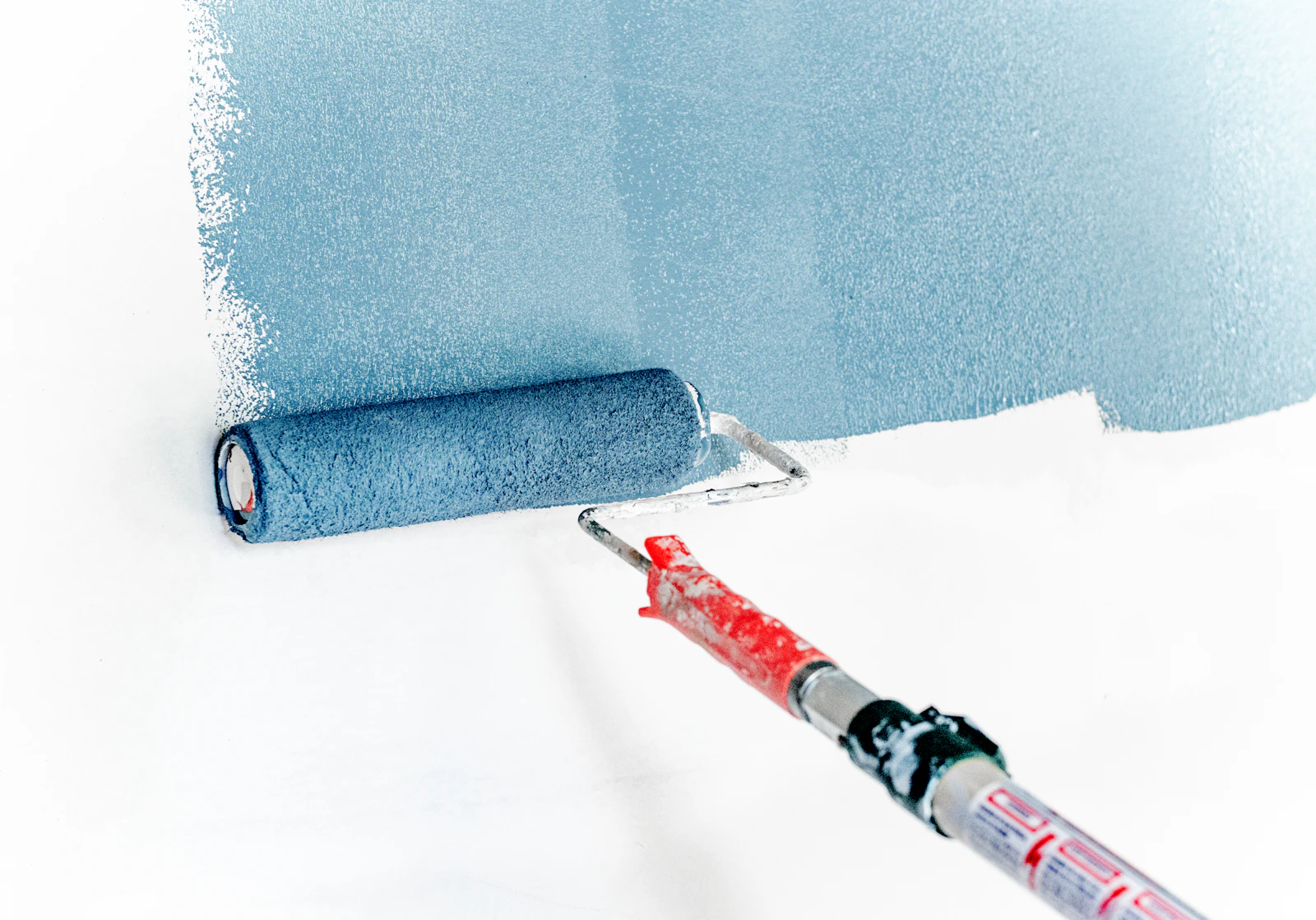
Paint and Coatings Compliance in the United States: VOC Limits, Lead and Safety Data Sheets
US paint and coatings sit under a layered set of rules: federal VOC limits for architectural coatings, stricter state and regional limits on top, a strict lead cap for consumer coatings, chemical controls under TSCA, and GHS-aligned safety data sheets. Here is how the pieces fit for manufacturers and importers.
Read article
Paint and Coatings Compliance in Canada: VOC Limits, Lead and WHMIS
Canada regulates paint and coatings through federal VOC limits for 53 categories of architectural coatings, a strict lead cap on consumer surface coatings, hazard labelling for consumer chemical products, and GHS-aligned WHMIS safety data sheets. Here is the compliance path for manufacturers and importers.
Read
Paint and Coatings Compliance in Australia: AICIS, GHS 7 Safety Data Sheets and VOC Practice
Australia regulates paint and coatings differently from the US and Canada. The chemicals fall under AICIS, safety data sheets follow GHS 7 under Work Health and Safety law, and VOC control runs largely through an industry approval scheme rather than a single national limit. Here is how it fits together for manufacturers and importers.
Read
US Cosmetics Compliance Under MoCRA: What SME Skincare and Beauty Brands Must Do
MoCRA is the biggest change to US cosmetics law since 1938. Facility registration, product listing, a named Responsible Person, safety substantiation and adverse event reporting are now federal requirements with real enforcement. Here is what applies to small and mid-sized brands, and exactly where the small-business exemption stops.
Read
Selling Cosmetics in Canada: the Cosmetic Notification Form, the Hotlist and Bilingual Labelling
Canada has no pre-market approval for cosmetics, which lulls brands into thinking there is little to do. In reality there is a strict 10-day notification deadline, a binding ingredient Hotlist, and mandatory English and French labelling. Here is the compliance path for manufacturers and importers.
ReadCosmetics Compliance in Australia: AICIS, the Therapeutic Goods Line and Ingredient Labelling
Australia regulates cosmetics through an unusual split. The ingredients are industrial chemicals under AICIS, the finished-product labelling sits under consumer law, and the moment a product makes a therapeutic claim it can fall to the TGA. Here is how the pieces fit for brands entering the market.
Read
The 16 Sections of a Safety Data Sheet, Explained in Plain English
Every SDS in the EU follows the same 16-section structure mandated by REACH Annex II. This guide walks through what each section actually contains, why it exists, and where small and mid-sized chemical companies most often slip up.
Read
REACH for SMEs: The Due-Diligence Routine You Cannot Afford to Skip
REACH does not only apply to large manufacturers. Most small chemical suppliers fall into the 'downstream user' category and inherit substantial obligations — including SVHC checks, communication duties, and increasingly, SCIP disclosures. Here is a practical guide.
Read
CLP Labels: Pictograms, H-Statements and P-Statements Without the Headache
A practical, no-nonsense walkthrough of what has to appear on a CLP-compliant label, how large it must be, how to choose precautionary statements that are defensible, and the specific mistakes that get products pulled from European shelves.
Read
GHS, CLP, and OSHA HazCom: The Same Rules in Three Different Accents
If you sell into the EU, the US, the UK and the GCC, you will encounter four different hazard communication regimes that mostly — but not entirely — agree. This guide explains how to read them together and avoid duplicate work.
Read
Cosmetics PIF: The File Every Responsible Person Must Be Ready to Show
Anyone placing a cosmetic product on the EU market must hold a Product Information File at the address printed on the label, ready for authorities on request. Here is what goes inside it, what 'ready' actually means, and how to keep it audit-proof through reformulations.
Read
The 12-Point Compliance Checklist to Run Before Launching a New Chemical Product
Before you ship a new chemical product into any regulated market, walk through this checklist. It catches roughly 90% of the compliance issues we encounter in customer audits and pre-launch reviews.
ReadOSHA Hazard Communication: A Practical Guide for US Manufacturers
OSHA's Hazard Communication Standard is the most-cited workplace standard in the United States. Here is what every chemical manufacturer, importer, and distributor needs to have in place — and the 2024 final rule changes you cannot ignore.
ReadExporting Chemicals From Canada to Europe: The Compliance Path
Moving a WHMIS-classified product into the EU means stepping into REACH, CLP, poison-centre notification, and multi-language labelling. Here's the practical sequence.
ReadHave a specific compliance question?
Reading helps. Talking to a regulatory specialist about your actual product helps more. Submit a request and we'll get back within one business day.